
Brain health advice often sounds like homework. It shouldn't, the activities that best support mental function as we age are, conveniently, things people actually enjoy. Here are five, plus the connection to hearing that surprises most people.
1. Socialize, on purpose
Conversation is a full-brain workout: listening, remembering, predicting, responding, laughing. Regular social contact is one of the most consistent protective factors researchers find for cognitive health. Card night, coffee with friends, church groups, it all counts.
2. Move your body
What's good for the heart is good for the head. Walking, swimming, dancing and gardening improve blood flow to the brain, and to the inner ear, which is nourished by some of the body's most delicate circulation. Dancing gets bonus points: music, movement, memory and a partner all at once.
3. Learn something with your hands
New skills force the brain to build new connections. Instruments are famous for this, but woodworking, knitting, painting and cooking new cuisines do the same job. Difficulty is the point, pick something you're bad at (for now).
4. Play games that make you think
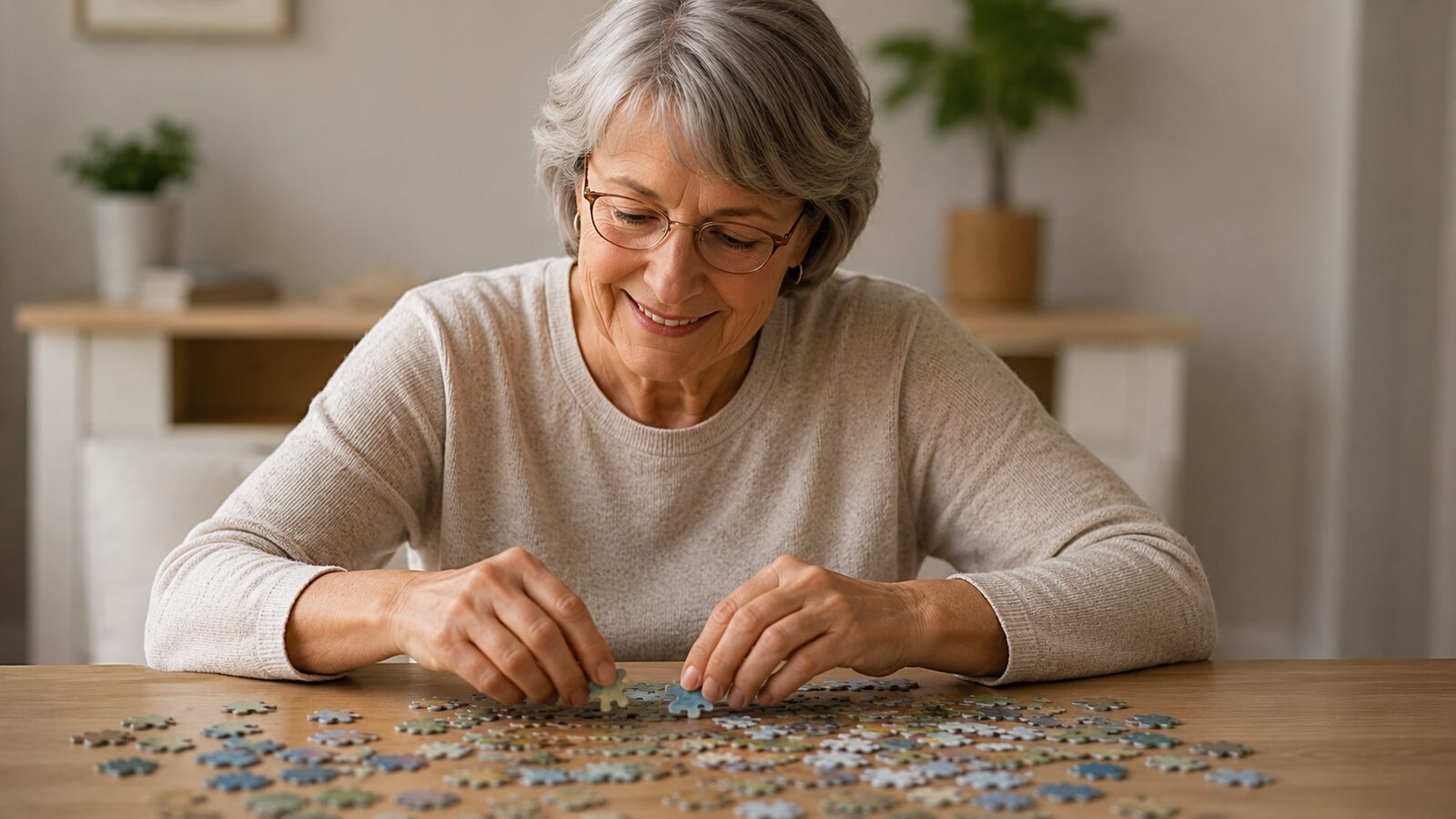
Puzzles, crosswords, chess, bridge and word games exercise memory and problem-solving. Better with company, see item one.
5. Read, and talk about it
Reading exercises attention and memory; discussing what you read doubles the benefit. Book clubs are quietly one of the best brain-health inventions going.
The hearing connection
Here's the catch: almost everything on this list runs on hearing. Untreated hearing loss pushes people away from exactly the conversations and activities that protect the brain, one reason it's linked to faster cognitive decline. If straining to hear is nudging you out of the game, a hearing test is a brain-health move too. Schedule one today.