
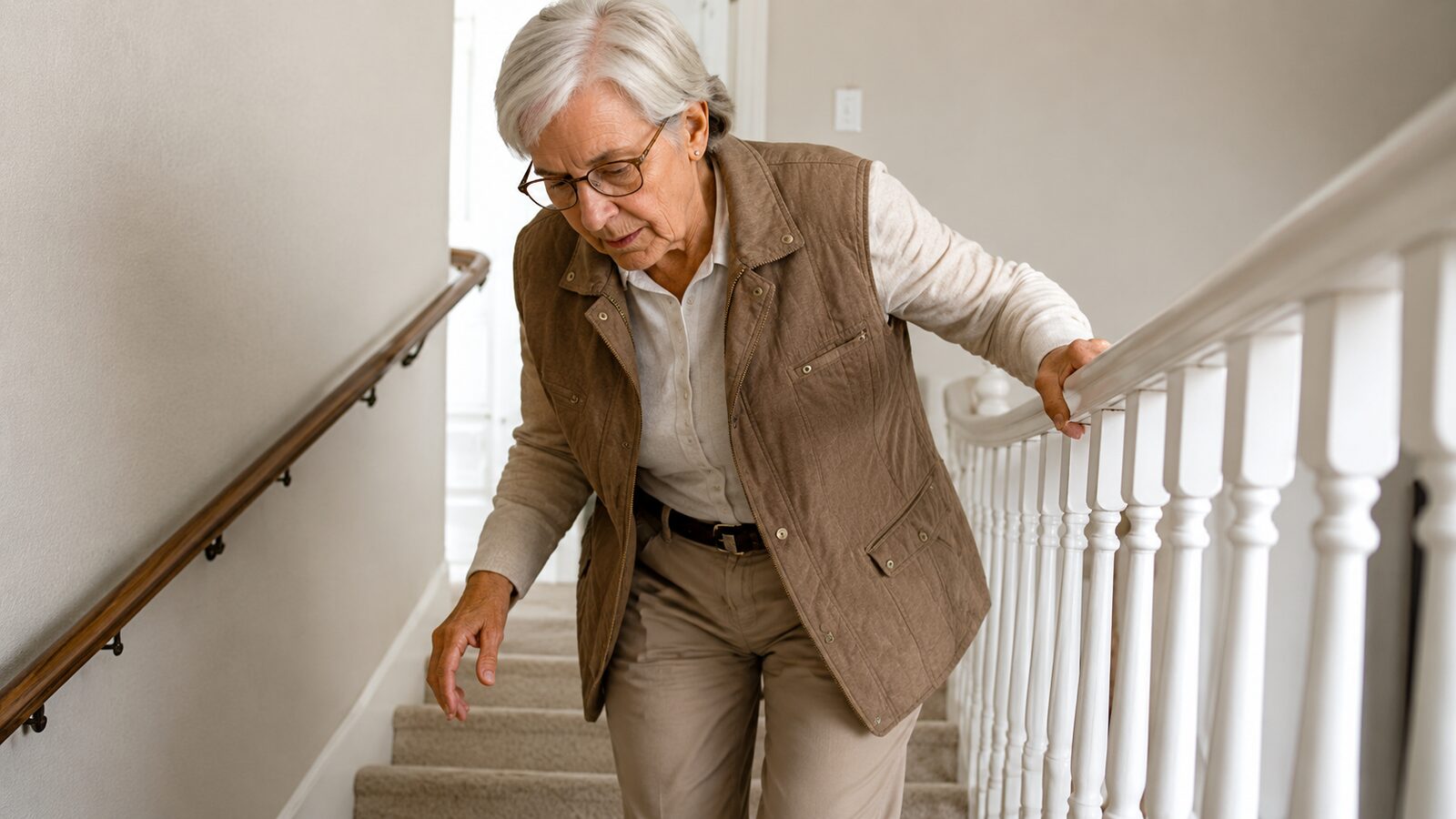
Falls are the leading cause of injury among adults over 65, and one risk factor surprises almost everyone: untreated hearing loss. Your ears do far more than let you follow a conversation. They help you keep your balance, judge where sounds are coming from, and stay aware of what's happening around you.
Why hearing loss increases fall risk
Several things work together to make falls more likely when hearing loss goes untreated:
- Balance lives in your inner ear. The vestibular system that keeps you steady shares real estate with your hearing organ. Inner-ear problems can produce dizziness and unsteadiness along with hearing loss.
- Listening fatigue. Straining to hear all day is exhausting for the brain. A tired brain is slower to notice the curb, the pet underfoot, or the wet floor.
- Reduced spatial awareness. High-frequency sounds help you sense the space around you, approaching footsteps, a car in the driveway, a door opening. Lose them and you lose part of your early-warning system.
- Social withdrawal. Untreated hearing loss often leads people to stay home more, where deconditioning and isolation quietly raise risk further.
How hearing aids help
Research has linked consistent hearing aid use with meaningfully lower fall risk. The reasons line up with the list above: wearing your devices keeps your brain less fatigued, restores environmental sounds that support spatial awareness, and keeps you engaged and active. Some modern hearing aids even include built-in fall detection that can alert a family member if you take a spill.
The key word is consistent. The benefit comes from wearing your hearing aids regularly, not leaving them in the drawer for special occasions.
Stay steady, and connected
If you or a loved one has noticed both hearing trouble and unsteadiness, don't treat them as separate problems. A hearing test is a simple, painless first step, and the right hearing aids can protect far more than your hearing. Contact us to schedule an appointment at any of our three offices.